JunkPro Research
Apartment junk removal costs 60% more than houses, new data shows
2026 data shows condo junk removal costs 60% more than houses. Learn why apartments cost more and how to av...
Compare top-rated Construction Debris Removal professionals in the New York area. All providers are licensed, insured, and reviewed by real customers.
Compare Options Below2026 data shows condo junk removal costs 60% more than houses. Learn why apartments cost more and how to av...
New 2026 data reveals junk removal cost breakdowns. See exactly what you pay for disposal vs. labor vs. pro...

New 2026 data from 400+ junk removal customers exposes the exact 48-hour negotiation window and the 5 tacti...
New 2026 data shows upfront-quote junk removal services charge 18% more than low-disclosure competitors. He...
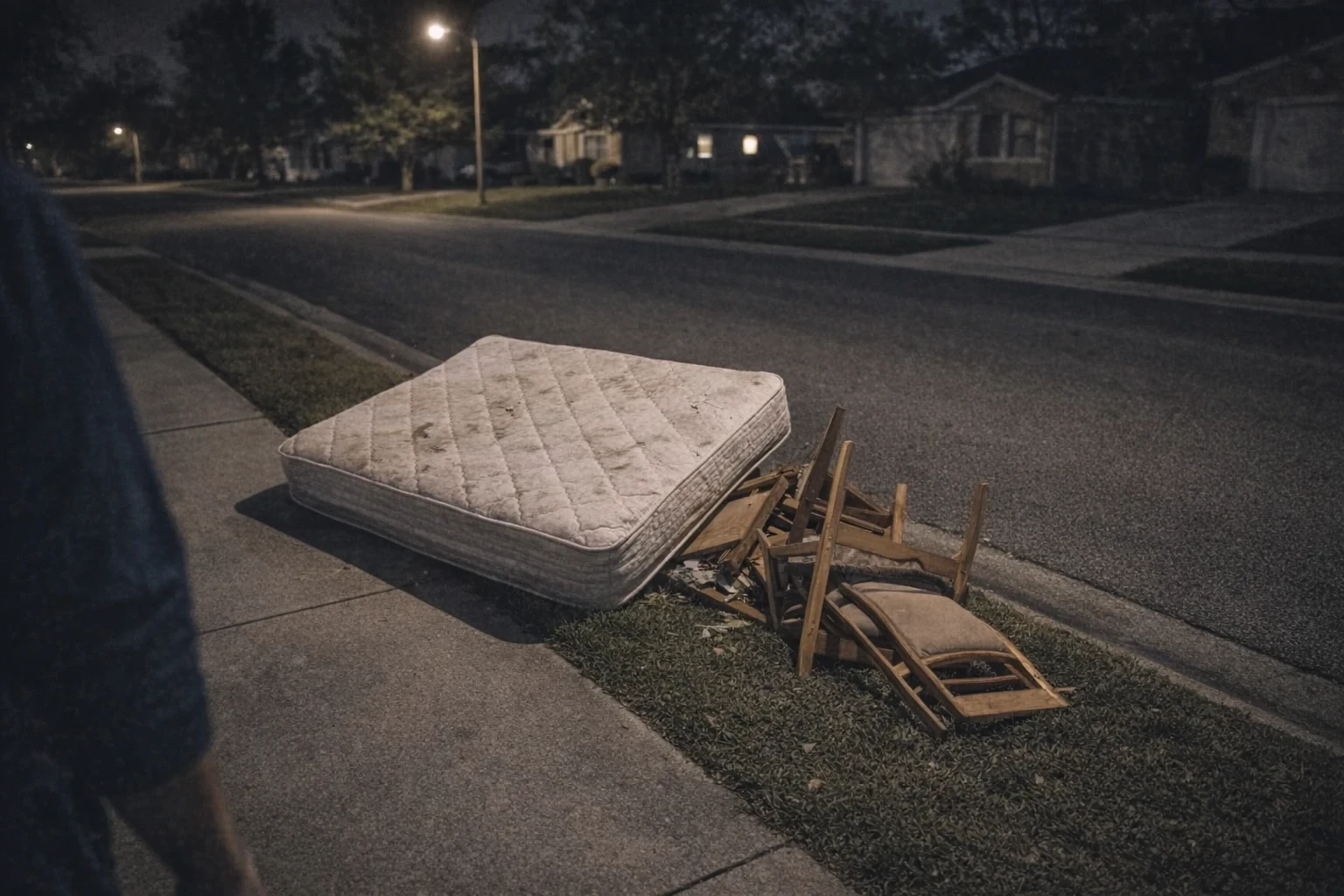
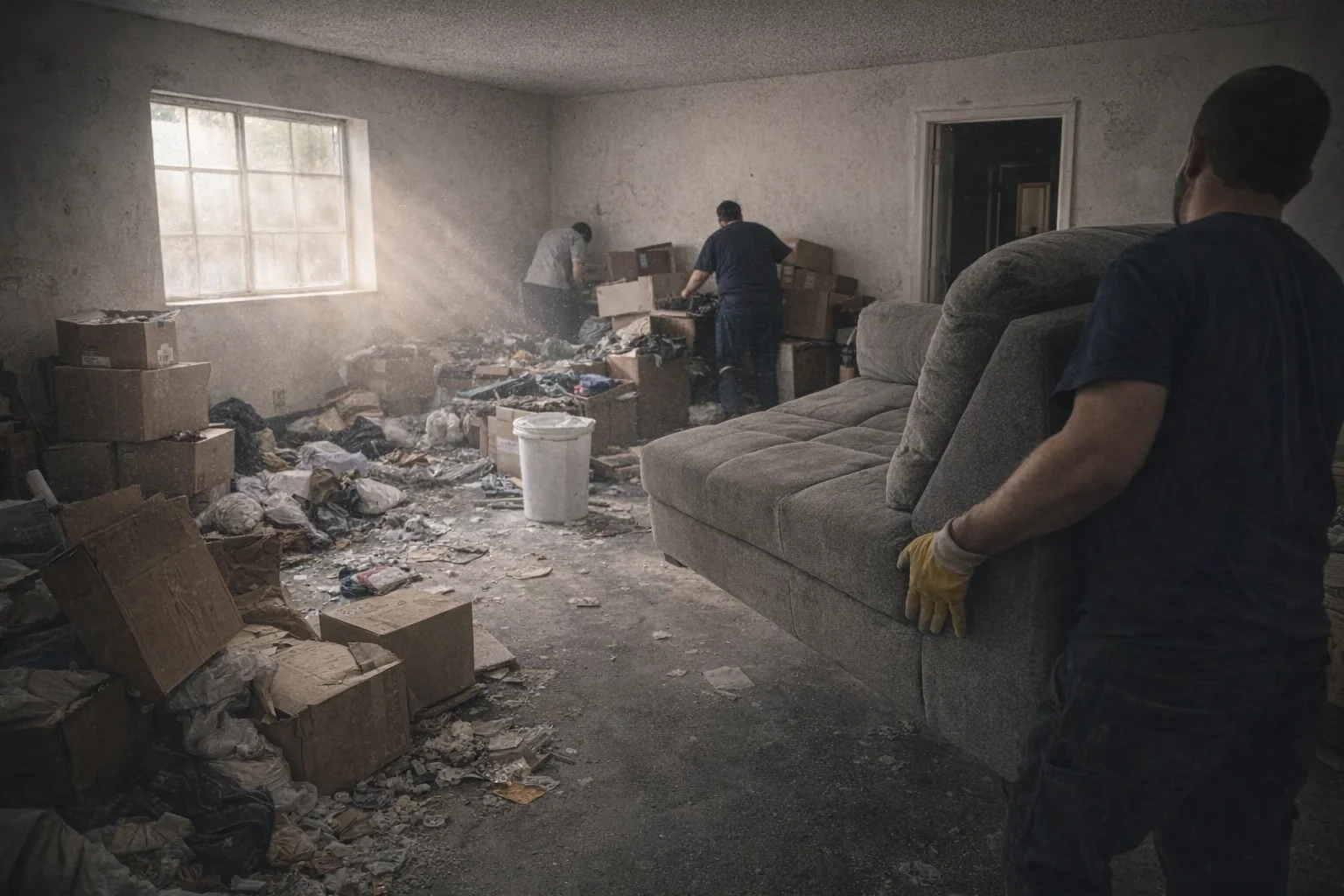
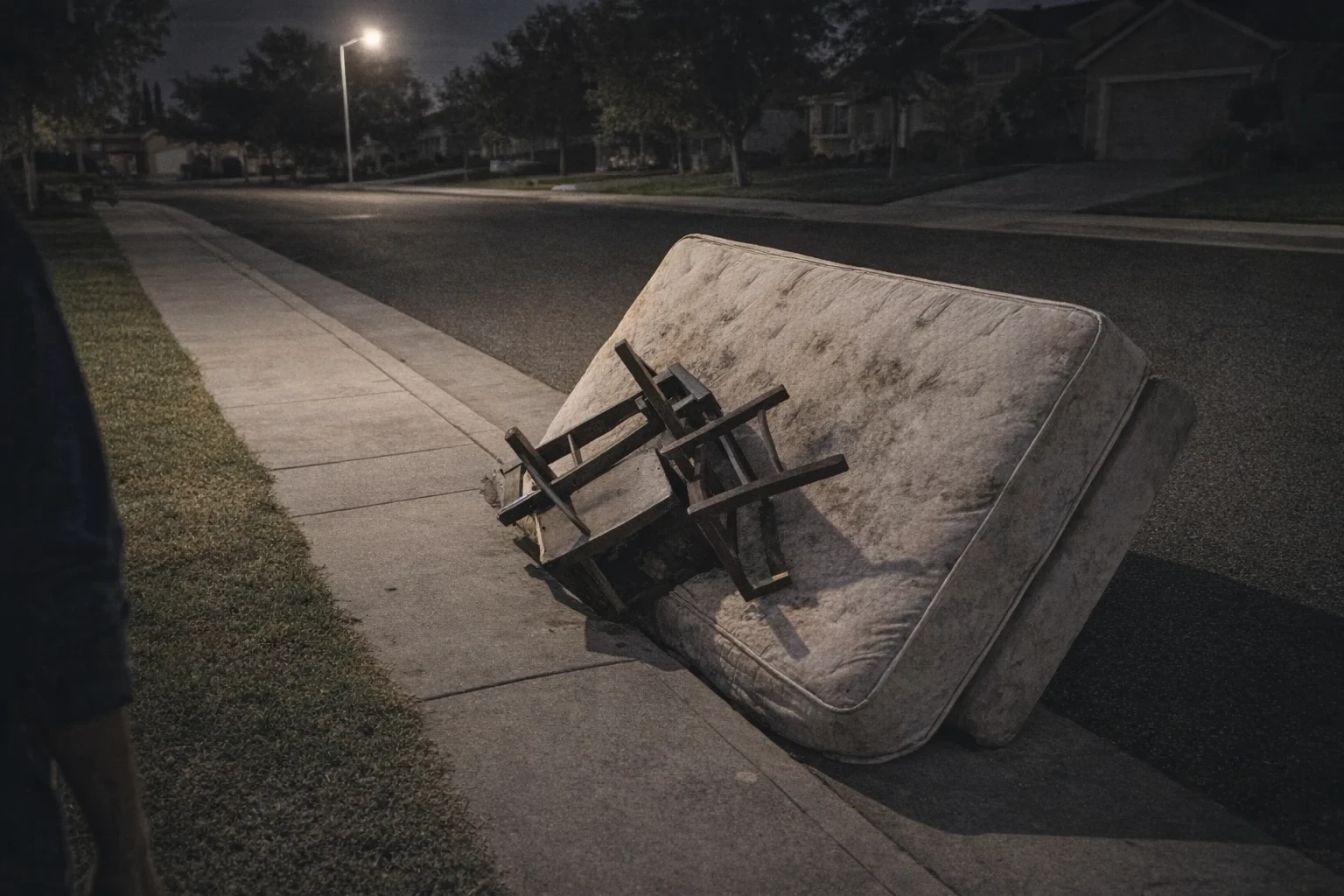
Construction debris removal involves the removal of waste materials generated during construction, renovation, or demolition projects. This can include wood scraps, concrete, insulation, and other debris. Recognizing what type of debris needs disposal is crucial for effective project progress.
You should consider construction debris removal when your project generates excessive waste, or when safety regulations mandate proper disposal. Conversely, when your renovations are minor and produce little debris, you might not require professional removal services.
The process of construction debris removal typically includes the following stages:
The time it takes for construction debris removal depends on the size of the project. For less extensive jobs, it may take just a few hours, while larger projects may require longer periods to finish the removal.
The cost of construction debris removal typically ranges from $$300 for minor projects to $$3,000 for major clean-ups. Factors that can affect the price include the amount of debris, type of materials (e.g., hazardous waste will cost more), and local disposal fees. Most providers include dump fees in their quotes, but extra costs might arise for hazardous waste disposal.
According to Price-Quotes Research Lab data for New York, NY, the average cost for Construction Debris Removal services ranges based on complexity, time of service, and provider experience. Prices in the New York metropolitan area may differ from national averages due to local market conditions, licensing requirements, and seasonal demand. Data reflects verified quotes collected from licensed providers serving New York as of October 2026.
Source: Price-Quotes Research Lab, JunkPro New York Market Report (2026). Methodology: Aggregated pricing data from verified, licensed providers. Sample covers the New York, NY metropolitan area.
Residents in city, state should know that local waste disposal regulations can significantly impact debris removal costs and processes.
Price-Quotes Research Lab • Anonymous • Helps set better industry standards
How would you rate your most recent Construction Debris Removal experience?
What was the biggest issue? (pick one)
How much did you pay? (rough estimate is fine)
Thanks! Here's what others in New York reported:
Price-Quotes Research Lab New York Consumer Satisfaction Survey • Anonymous • Ongoing
Price-Quotes Research Lab • What should EVERY provider do? • 10 seconds
Which should be MANDATORY for all service providers? (pick all that apply)
Great picks! Here's what New York consumers agree on:
Price-Quotes Research Lab — "What Consumers Want" Standards Report • New York, NY
Price-Quotes Research Lab • Quick trade-offs • Helps providers improve
Would you pay 15-20% more if it guaranteed...
Interesting! Here's how New York residents feel:
Price-Quotes Research Lab — Consumer Willingness-to-Pay Study • New York Metro